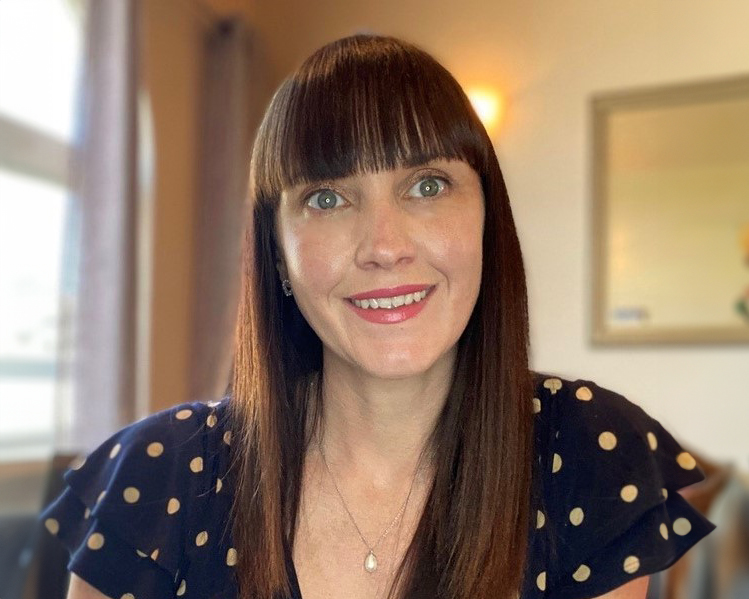
By Levi McGarry, College of Arts and Sciences
New research at Washington State University hopes to learn more about whether hemp-derived cannabinoids can help alleviate menopause symptoms. “Women’s health really does remain an under-investigated and underfunded area of research,” said Carrie Cuttler, associate professor of psychology. Cuttler is also the director of The Health and Cognition (THC) Laboratory, which investigates the acute and chronic effects of cannabinoids on mental health, cognition, stress and pain. “I’m a cognitive psychologist, so I focus on memory and other aspects of cognition,” said Cuttler. “Our lab looks at the effects of regular chronic cannabis use, as well as the impacts of acute cannabis intoxication on cognition.”
According to Cuttler, four of the most common reasons people use cannabis are to manage anxiety, depression, pain and sleep. All four issues are also common symptoms in women experiencing perimenopause and menopause, which are natural stages of the female aging process. Perimenopause is the transitional time before menopause and is marked by significant changes in menstrual cycles along with other physical and emotional symptoms. These symptoms are caused by changes in hormonal levels in the body, and both timing and symptoms can be highly variable among women.
The main psychoactive compound in cannabis, delta-9-tetrahydrocannabinol or THC, is only one of the 113 total identified cannabinoids. Another active cannabinoid is cannabigerol, or CBG, which is a minor and non-psychoactive compound found in both hemp and cannabis. In 2024, Cuttler and her collaborators published one of the first clinical trials investigating CBG and its acute effects on anxiety, stress and mood. Their research found that CBG reduced feelings of anxiety and stress, and enhanced memory without any motor impairments or reported intoxication, but also determined that more investigation was needed.
Their next research effort centers on a hemp-derived formulation designed to alleviate common menopausal issues. Cuttler and her team will be conducting a longitudinal, double-blind, placebo-controlled study to determine whether this formulation is effective in providing relief to women in the absence of feelings of intoxication. “We know that women at this stage of life are leading busy lives, and they can’t just put their life on hold because of menopausal symptoms, and they certainly can’t walk around feeling intoxicated all day,” said Cuttler.
Approximately 100 women between the ages of 40 and 60 who are experiencing physical and emotional symptoms of menopause or perimenopause will participate in the study. Participants will be sent twice-daily surveys on their phone to track symptoms, weekly cognitive tests to track memory and concentration, and a monthly online survey and research consultation to measure other symptoms. “The study will last for three months total, with the first month being solely for baseline assessments without any product administered,” said Cuttler. “This is so we can get solid baseline data to understand normal fluctuations and stabilities in their symptoms.”
After the first month of baseline data, the participants will contact the production company responsible for formulation and will receive their samples at their home. Neither the subjects nor the testing researchers will know whether they’ve received a cannabinoid-active compound or a placebo compound. They will then take the product for two months, continuing to report via daily, weekly, and monthly surveys.
Alongside this research into the effects of cannabinoids on menopause, Cuttler is also researching the effects of CBG on blood pressure, heart rate, cortisol, pain, anxiety, and mood. She is also leading the first FDA and DEA approved clinical trial in Washington state, with published findings expected later this year. For more information about the THC Lab, visit https://labs.wsu.edu/memory-cognition/.