By Communications staff, WSU Insider
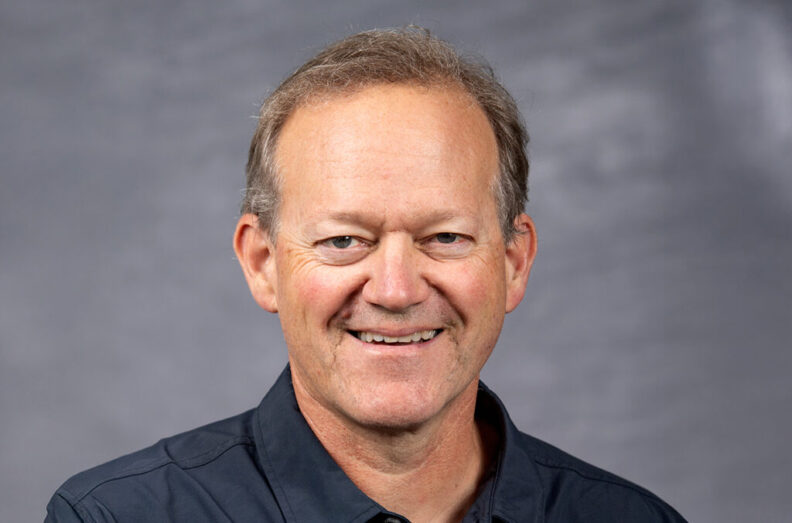
Washington State University Senior Vice Provost Douglas Call has been voted in as president-elect of the Washington State Academy of Sciences, part of a round of new board and membership appointments announced this week.
In his new role, Call will lead the 20-year-old nonprofit institution that serves as the state’s independent science advisory body, providing scientific assessments, expert briefings, and programs to support evidence-informed policy decisions.
“Washington needs trusted, actionable science to inform decision making across a wide range of challenges from healthcare to natural resources and manufacturing,” Call said. “WSAS members bring deep expertise across these and many other disciplines, and a commitment to objectivity that is essential for growing bipartisan consensus and public trust. As president, I will ensure the academy remains committed to excellence and objectivity, and work to showcase the value of our contributions to all Washingtonians.”
Call’s election was announced among other new board and member appointments. WSU’s Rita Fuchs, a professor of integrative physiology and neuroscience and director of the Alcohol and Drug Abuse Research program, was also elected as a WSAS board member. Seven other WSU researchers were elected as new members.
As president, I will ensure the academy remains committed to excellence and objectivity, and work to showcase the value of our contributions to all Washingtonians.”
Douglas Call, president-elect
Washington State Academy of Sciences
They were among 36 new members announced Thursday, in recognition of their outstanding record of scientific and technical achievement and willingness to help the academy provide scientific information to inform policy decisions in Washington.
“We are pleased to recognize the achievements of these world-renowned scientists, engineers, and innovators,” said WSAS President Allison Campbell. “And we are grateful for their willingness to contribute expertise from a wide range of fields and institutions to support the state in making informed choices in a time of growing complexity.”
New members will be inducted at the academy’s 20th anniversary celebration at the Museum of Flight in Seattle on Oct. 7.
In addition to serving as senior vice provost, Call is a Regents Professor whose career in biomedical science research spans 25 years. He began as an assistant professor in the Department of Microbiology and Pathology in 2000 and joined the Paul G. Allen School for Global Health in 2012. He joined the provost’s office in 2023.
He was elected to WSAS in 2017 and has been a board member since 2021. He will serve a year as president-elect before taking office as president in September 2026.
Fuchs was elected to WSAS in 2021 for elucidating the neuroanatomical, pharmacological, and cellular mechanisms of drug-seeking behavior and drug memory reconsolidation in non-human animals and for leading state-wide efforts to promote addiction research. She is an elected fellow of the American College of Neuropsychopharmacology, and elected member of the College on Problems of Drug Dependence.
Newly elected WSU members of WSAS:
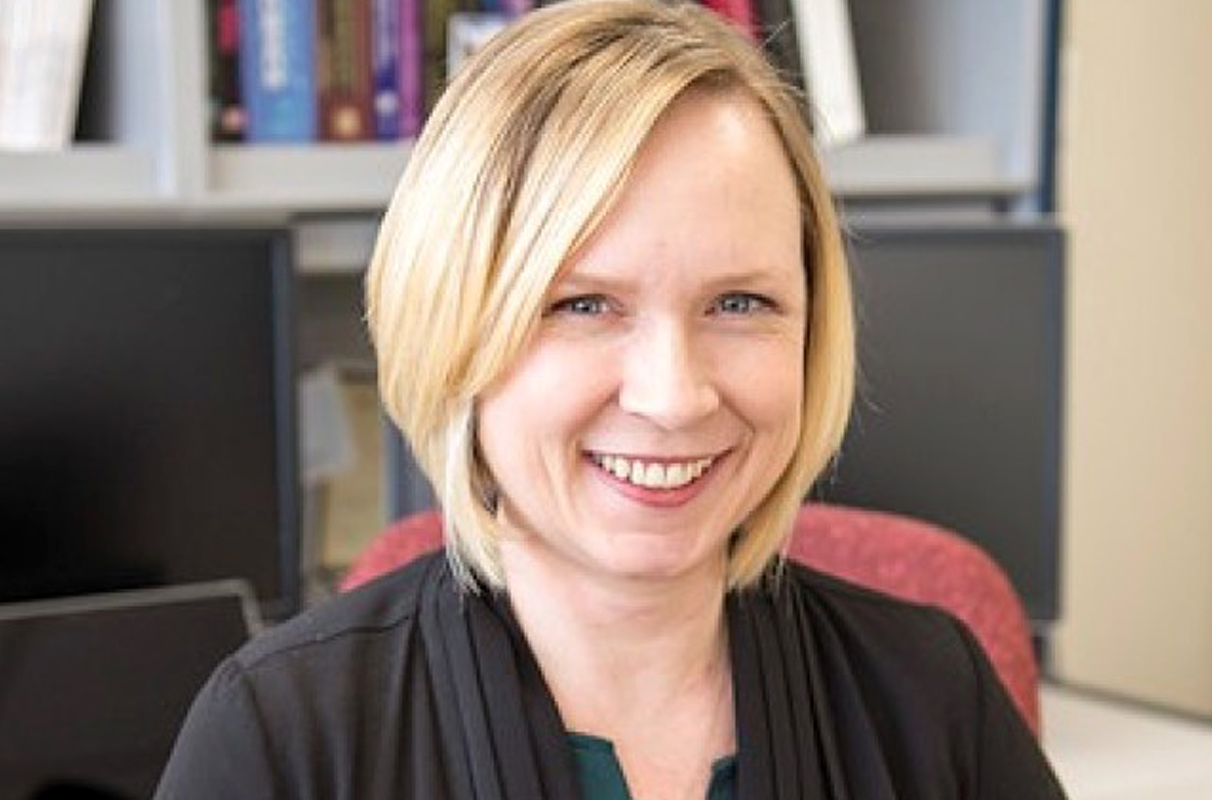
Naomi Chaytor
Chaytor was elected based on her contributions to the neuropsychology of Type 1 Diabetes, cognitive decline, and dementia, including advancements in digital neuropsychological assessments, ecological validity, and the cognitive impact of diabetes technology. Currently serving as chair of the Department of Community and Behavioral Health in the Elson S. Floyd College of Medicine, she is a licensed clinical psychologist and is board-certified in Clinical Neuropsychology by the American Board of Professional Psychology.
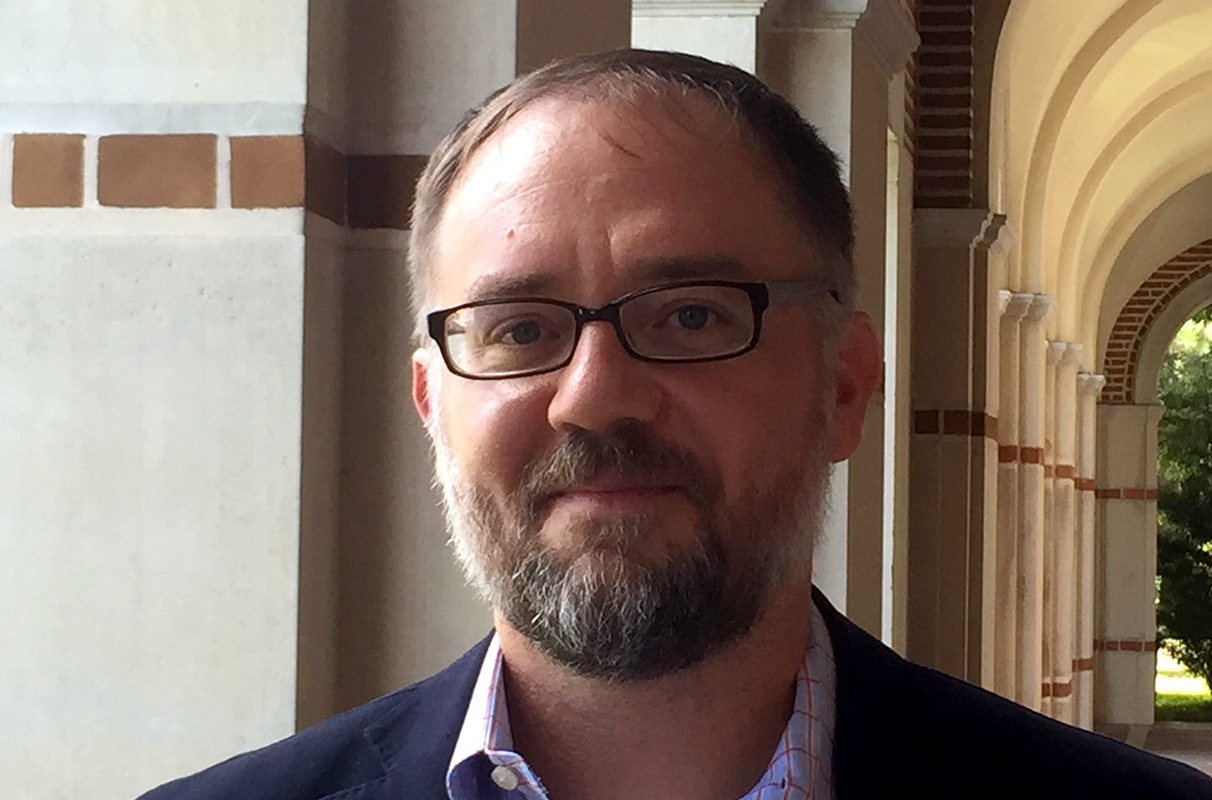
Justin Denney
Denney was honored for shaping the understanding of how place combines with individual and family characteristics to produce and maintain health and mortality disparities, and for leadership in creating unique data and opportunities for other scientists. His work often involves multi-disciplinary collaborations and has been supported by the Health Disparities Scholar Program at the National Institutes of Health, the University of Kentucky Center for Poverty Research, the Foundation for Child Development, and the Houston Endowment.
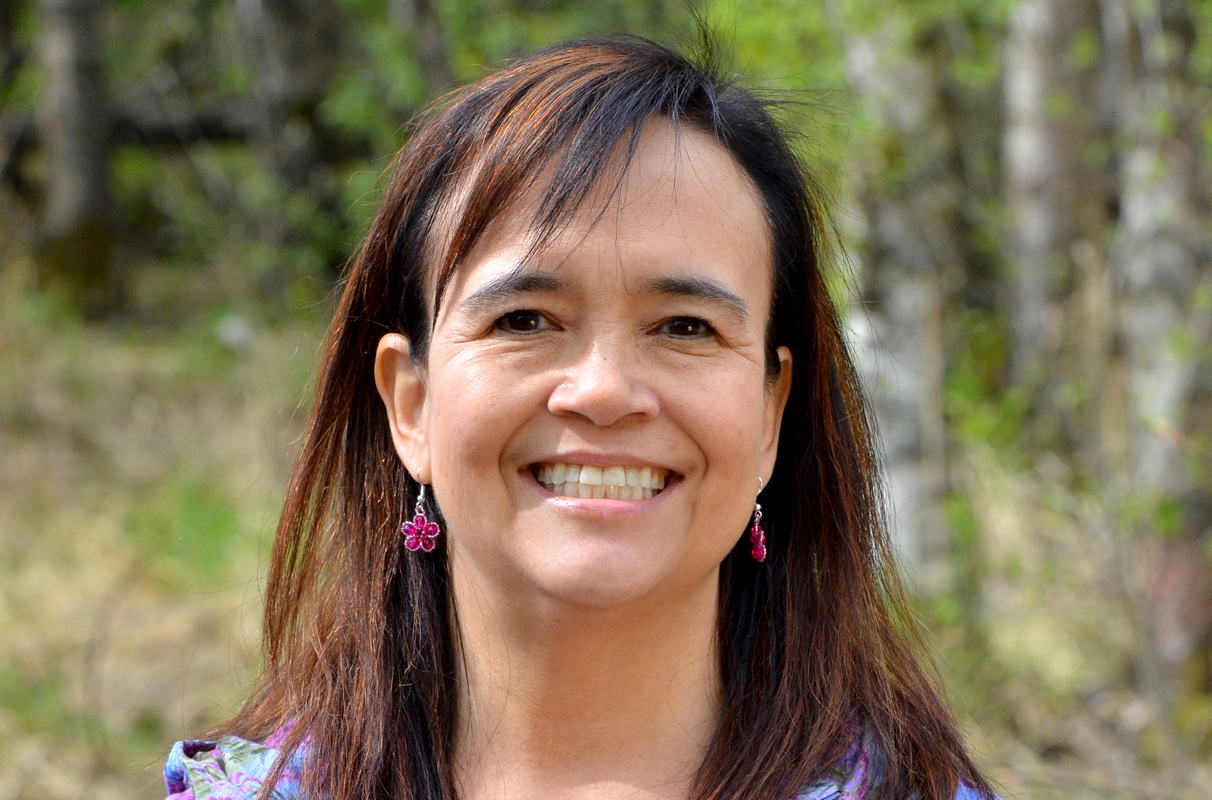
Denise Dillard
Dillard was selected for her commitment to community-driven health research that improves the lives of Alaska Native and other indigenous peoples, supporting American Indian and Alaska Native research sovereignty, and building an indigenous scientific workforce to assure healthy Native communities for generations to come. Dillard is co-director of the Institute for Research and Education to Advance Community Health.
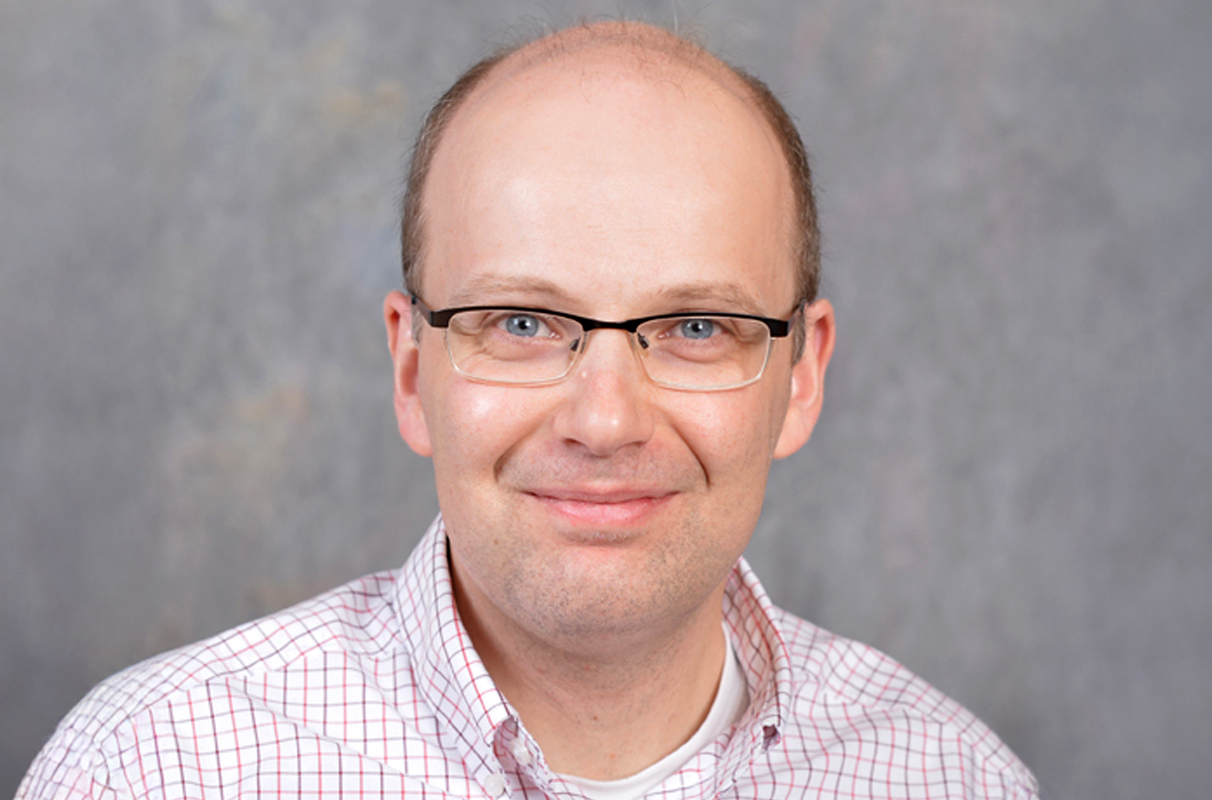
Travis Ridout
Ridout was honored for transformative contributions to the study of political advertising in the U.S., including data that increased transparency in campaign spending through news media, and for research that has shaped hundreds of articles and policy papers on political ad spending and its regulation. He is professor and director of the School of Politics, Philosophy and Public Affairs, and serves as co-director of the Wesleyan Media Project, which studies and tracks political advertising.
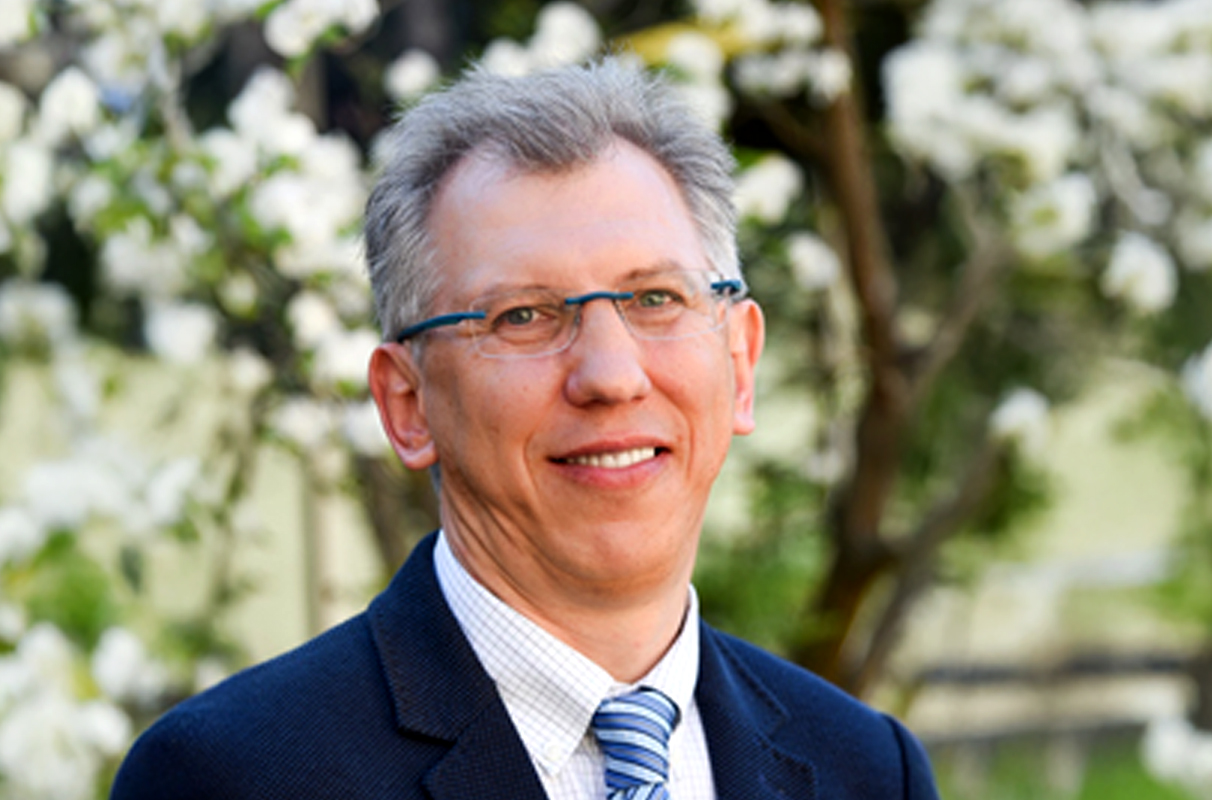
Sergey Tolmachev
Tolmachev was honored for distinguished contributions to radiation protection, including improvement of biokinetic models in support of radiation epidemiology. He directs the U.S. Transuranium and Uranium Registries Research Center and the associated National Human Radiobiology Tissue Repository.
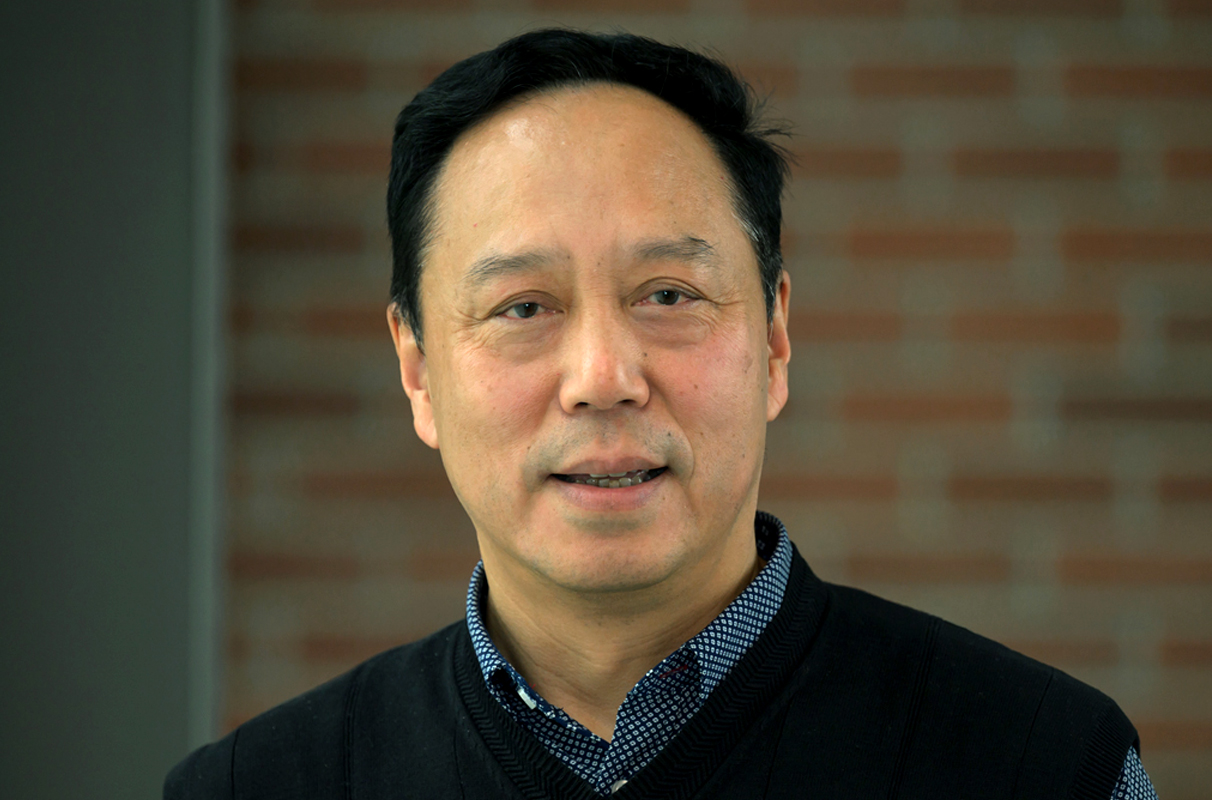
Wei Yan
Yan was elected for pioneering contributions to reproductive biology, including groundbreaking research on male infertility, non-hormonal contraception, and the intergenerational transmission of adult-onset diseases, advancing reproductive medicine and clinical diagnostics. Prior to joining WSU in January, he was the director of the National Center for Reproductive Epigenomics, professor of medicine at the David Geffen School of Medicine at UCLA, and senior investigator at The Lundquist Institute for Biomedical Innovation at Harbor-UCLA Medical Center.
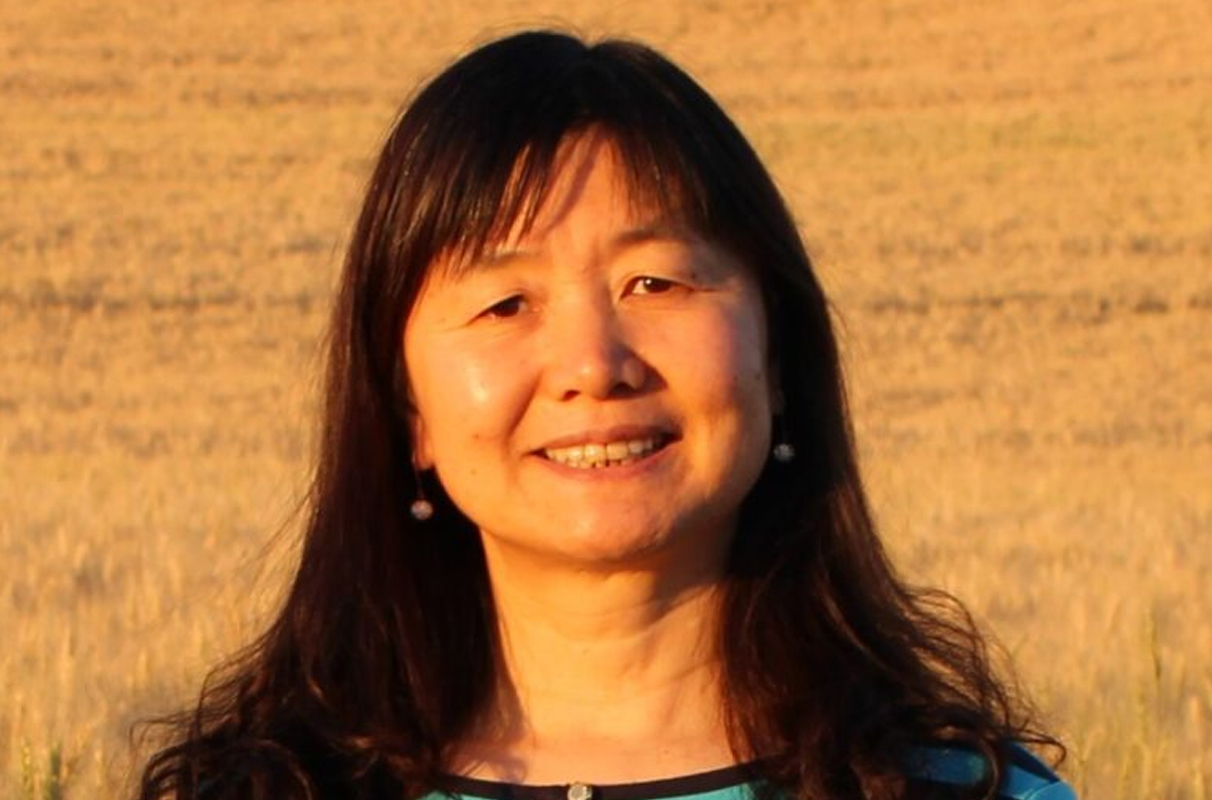
Meijun Zhu
Zhu was honored for global leadership in microbial food safety, including pioneering research that transformed pathogen control in the produce industry, and for advancing national standards, public health, and science-based interventions for a safer food supply through innovation and industry partnerships.