SciLine: What research tells us about voter fraud
Thessalia Merivaki, Director of Thomas S. Foley Institute of Public Service and Public Policy at WSU, provided insight into interviewing local officials about electoral processes.
Thessalia Merivaki, Director of Thomas S. Foley Institute of Public Service and Public Policy at WSU, provided insight into interviewing local officials about electoral processes.
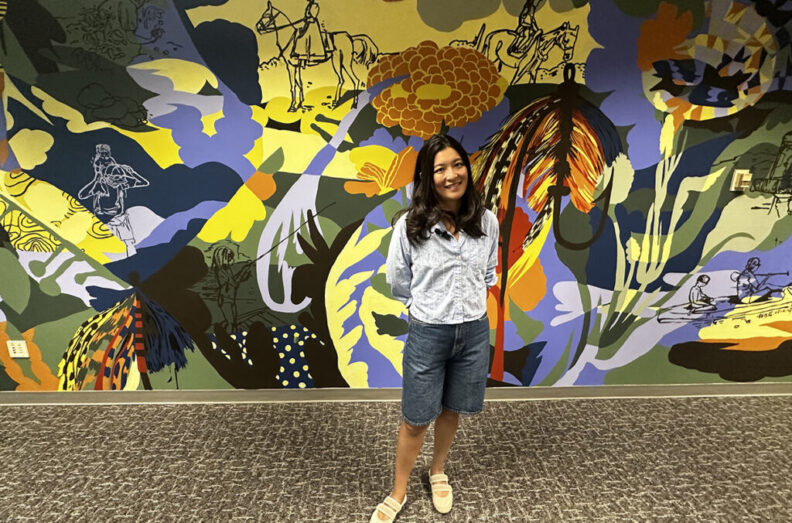
On Tuesday, Sept. 29, Washington State University Libraries will unveil a new mural painted by Jiemei Lin of the WSU Department of Art and inspired by the Gallup Collection of rare fishing books housed in Manuscripts, Archives, and Special Collections (MASC).
Cannabis is often used as a stress reliever, but a new study suggests that some of the body’s stress response systems don’t get the message.

Thessalia Merivaki, Director of Thomas S. Foley Institute of Public Service and Public Policy at WSU, appeared as one of the panelists for this discussion.

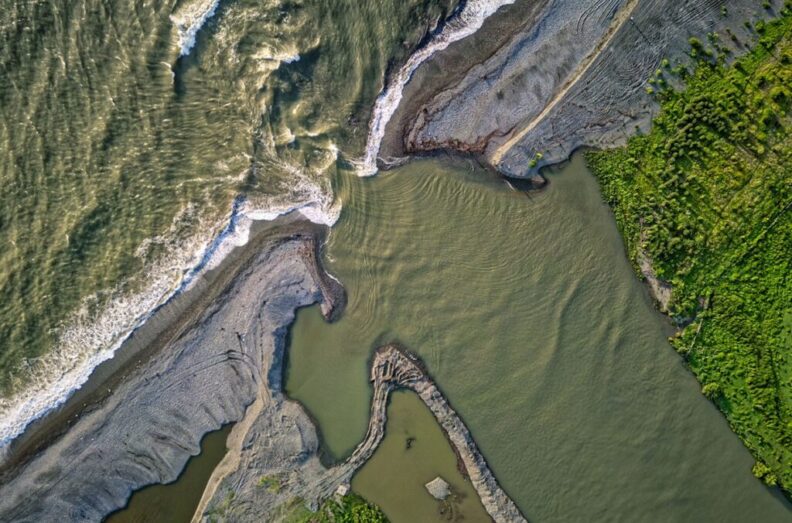
Along a quarter of the planet’s coastal waterways, humans contribute more harmful nitrogen – via agricultural runoff, wastewater discharges and other activities – than all natural sources combined.
Thessalia Merivaki, professor of government and director of the Foley Institute, was quoted in an CNBC article about election officials banning certain public workers from trading on prediction markets ahead of midterm elections.
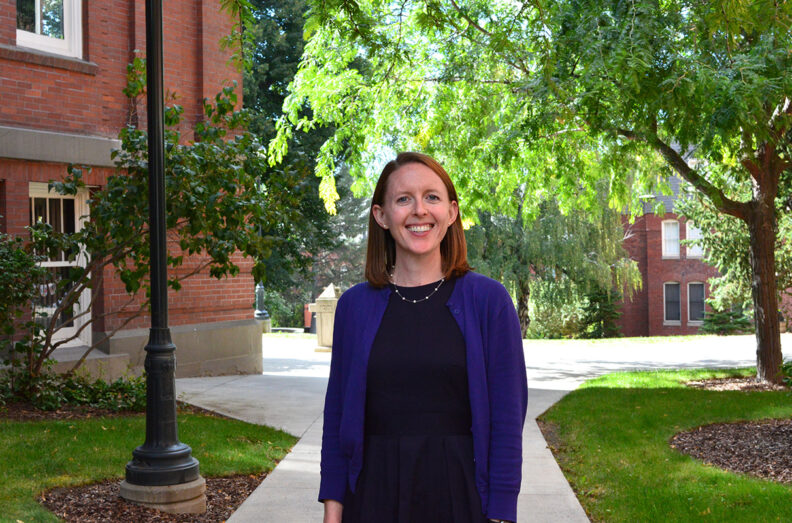
The College of Arts and Sciences has selected Katie Forsythe as the new director of student success, strengthening a college-wide effort to ensure students graduate prepared for their first job and for careers that will continue to evolve throughout their lives.
Matthew Sutton, the Claudius O. and Mary Johnson Distinguished Professor and chair of the WSU Department of History, wrote in The Nation that the Democratic state legislator from Texas is reviving a tradition of center-left activism rooted in Christianity.
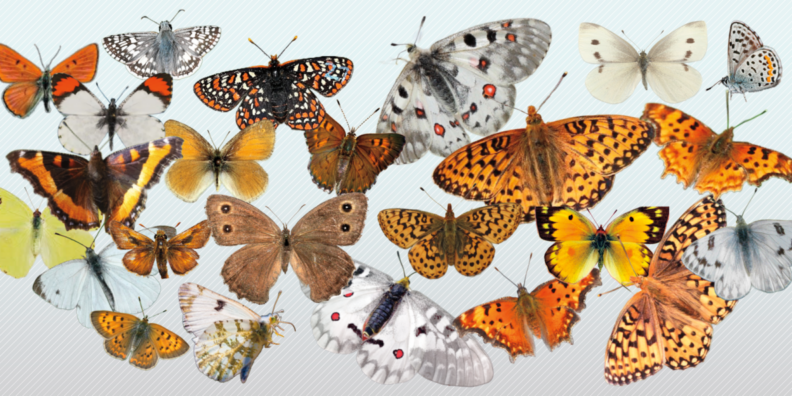
That’s the conclusion of the first-ever comprehensive report on the fate of butterflies, released last year by the Xerces Society for Invertebrate Conservation and led by Cheryl Schultz, a conservation biologist at Washington State University.
Xueying “Snow” Wang is using computational modeling to decipher how viral infections spread across multiple scales, from processes inside individual cells to outbreaks across populations.